










Most people find out something is wrong with their health when a doctor tells them. By that point, the problem has often been developing quietly for months or years. Hume Health was built around a different idea: that understanding what’s happening inside the body shouldn’t require a clinic visit, and that the data people need to make better decisions about their health should be available to them every single day. It’s a straightforward premise, and the way the brand has executed it is what makes it worth paying attention to.
The Problem With How Health Has Always Been Measured
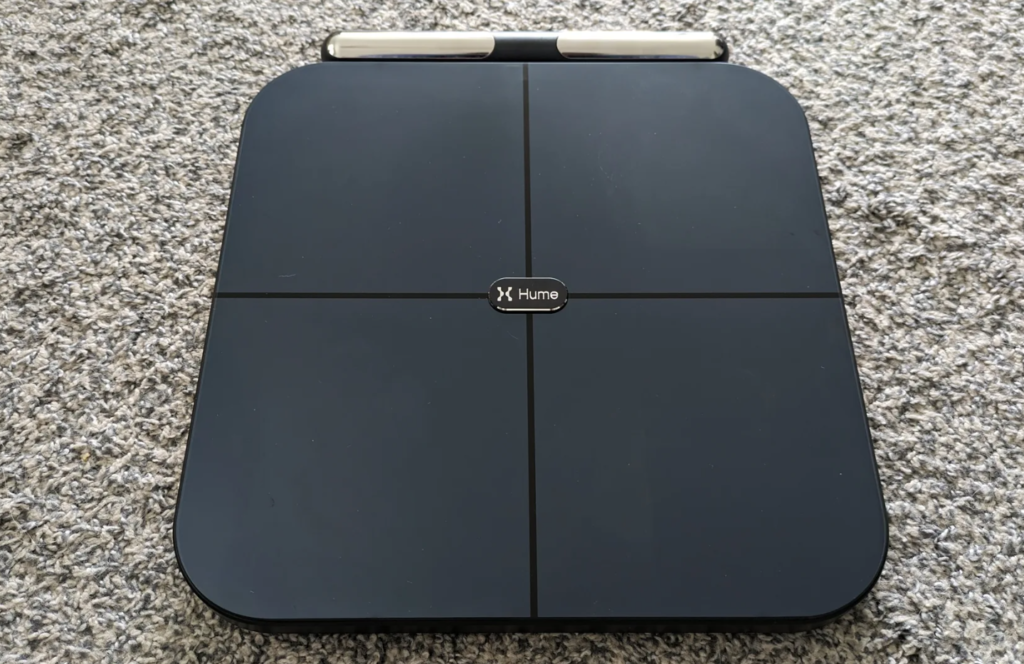
Traditional health monitoring is reactive by nature. People book an appointment, get a reading, receive a result, and wait until something feels wrong before doing it again. The gaps between those moments are where most of the damage is done. Weight alone tells very little about what’s actually happening inside the body, and most consumer devices don’t go much further than that.
Hume Health approaches this differently. Rather than measuring a single number on a scale or counting steps taken in a day, the brand tracks the internal signals that actually drive long-term health, things like body composition, metabolic capacity, recovery quality, and the rate at which the body is ageing at a physiological level. That shift, from surface metrics to internal signals, is what separates this kind of health tracking from what most people have access to.
The Two Devices at the Centre of It All
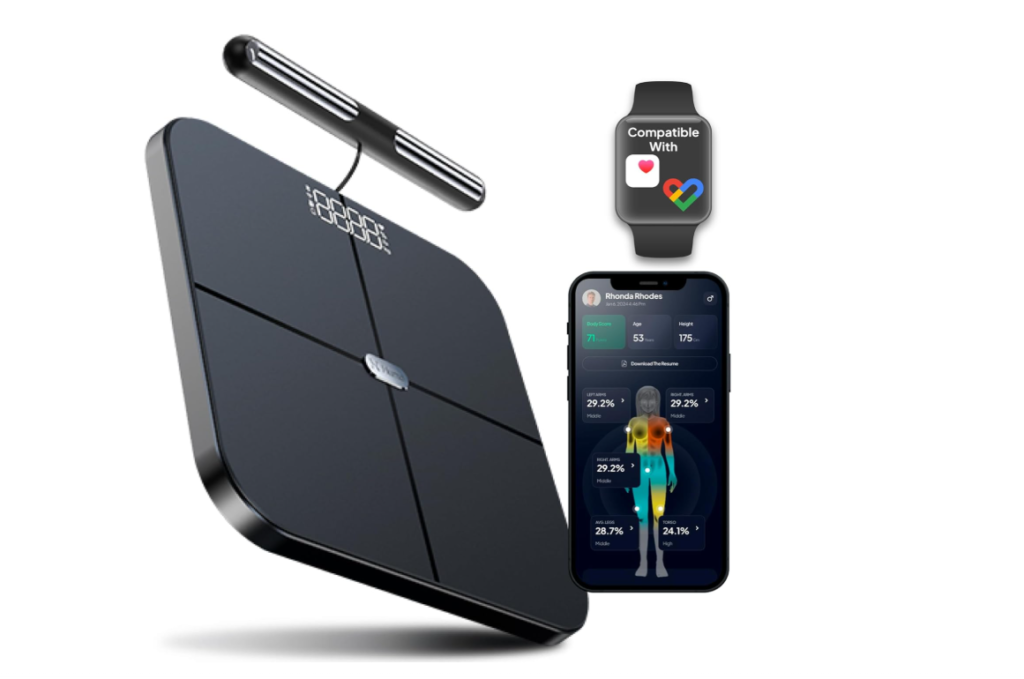
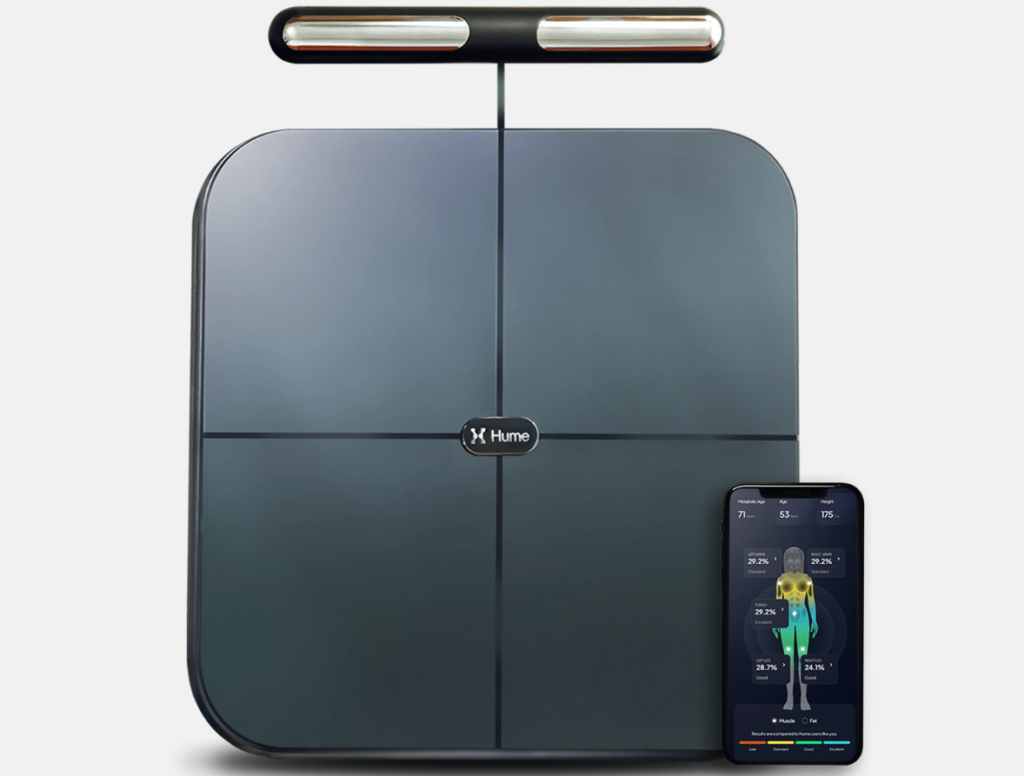
Hume Health has built its ecosystem around two core products, each designed to give users a different layer of insight into how their body is performing. The Hume Pod is a body composition scanner that goes significantly further than a standard smart scale. Using an eight-sensor measurement system and 64 bioelectrical impedance scans per session, it performs true segmental analysis, measuring body composition independently across the arms, legs, and trunk rather than treating the body as a single unit.
The result is a level of accuracy that is typically only available in clinical settings. In an independent study, the Hume Pod was shown to be within three percent of a DEXA scan, which is considered the gold standard in body composition measurement. It tracks over 45 health metrics including body fat percentage, muscle mass, skeletal mass, and intracellular and extracellular body water.
The Hume Band is a wrist-worn wearable designed for continuous monitoring. It tracks heart rate variability, sleep stages, recovery depth, blood oxygen, skin temperature, activity levels, and strain, around the clock. Unlike most fitness trackers, which are built primarily around workout performance, the Band prioritises internal health signals. It uses five LEDs and four photodiodes to capture data more frequently than most consumer wearables, and its proprietary metrics, including Metabolic Capacity and Metabolic Momentum, translate raw physiological data into something immediately understandable and actionable.
What Makes the Metrics Different
The language Hume Health uses to describe its data is worth understanding, because it reflects a genuinely different way of thinking about health. Metabolic Capacity refers to the body’s ability to efficiently produce, store, and use energy, both at rest and during activity. It’s a measure of long-term resilience and endurance. Metabolic Momentum tracks whether that capacity is improving or declining over time. Together, these metrics give users a clear signal of whether their daily habits are moving them toward better health or quietly working against them.
The Band also tracks biological age, which is distinct from chronological age. By monitoring how the body is recovering, sleeping, and responding to stress, the system can indicate whether a person’s body is ageing faster or slower than their actual years, and more importantly, what changes might shift that trajectory.
What Users Actually Get Day to Day
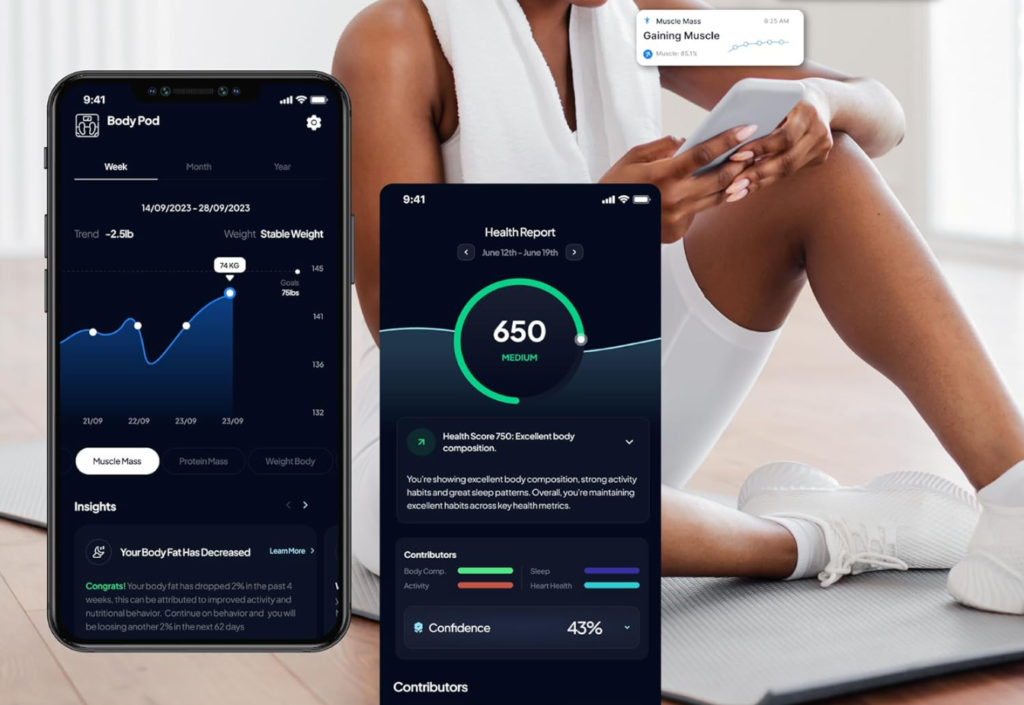
The practical experience of using Hume Health products is built around the app, which is free for all users and brings data from both devices into a single dashboard. There are no subscription fees required to access core metrics, and the app syncs with Apple Health, Google Fit, and Samsung Health for a broader view of health data.
- The app surfaces daily readiness scores so users know how hard to push and when to rest.
- Sleep tracking breaks down sleep stages and recovery depth, flagging patterns that interrupt genuine rest.
- Alerts notify users when declining recovery, elevated stress, or disrupted sleep may be early signals of an emerging health issue.
- Weekly health reports track progress across all key metrics over time.
- A premium membership unlocks AI-powered coaching and personalised feedback for those who want a deeper level of guidance.
The Hume Pod connects up to 24 devices, making it practical for households rather than just individuals. It supports users up to 400 pounds and is HSA and FSA eligible in the United States.
Clinical-Grade Data, Without the Clinic
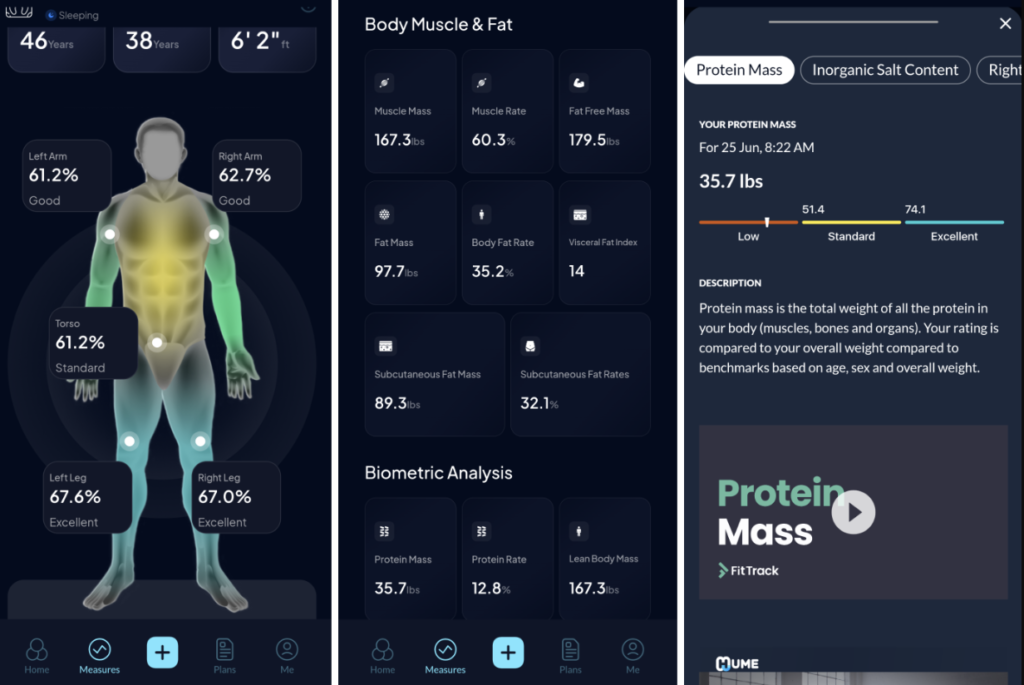
Hume Health’s stated mission is to make clinical-grade health data accessible, understandable, and actionable for everyone, right at home. That isn’t just marketing language. The Hume Pod is the only portable body composition device used in medical clinics, which speaks to the accuracy standards the brand holds itself to. The Band has been used by elite athletes, biohackers, and medical professionals who need reliable data rather than approximations.
For the everyday user, the significance of that is simple: the data they’re getting reflects what’s actually happening in their body, not a rough estimate.
The shift from reactive to proactive health is not a new idea, but it has historically been out of reach for most people. Clinic-grade body composition scans, continuous physiological monitoring, and AI-driven health insights have all existed in some form, but separately, expensively, and rarely in a format that makes the data easy to act on.
Hume Health has brought those things together in one ecosystem, at a price point that doesn’t require a premium gym membership or a private healthcare budget. For anyone who has ever felt that their health tracking gave them numbers without giving them understanding, that’s a meaningful change. The brand isn’t just selling devices. It’s making the case that knowing what’s happening inside the body, in real time, is something everyone deserves access to.
Leave a Reply